




Please Leave Us A Message
Privacy statement: Your privacy is very important to Us. Our company promises not to disclose your personal information to any external company with out your explicit permission.

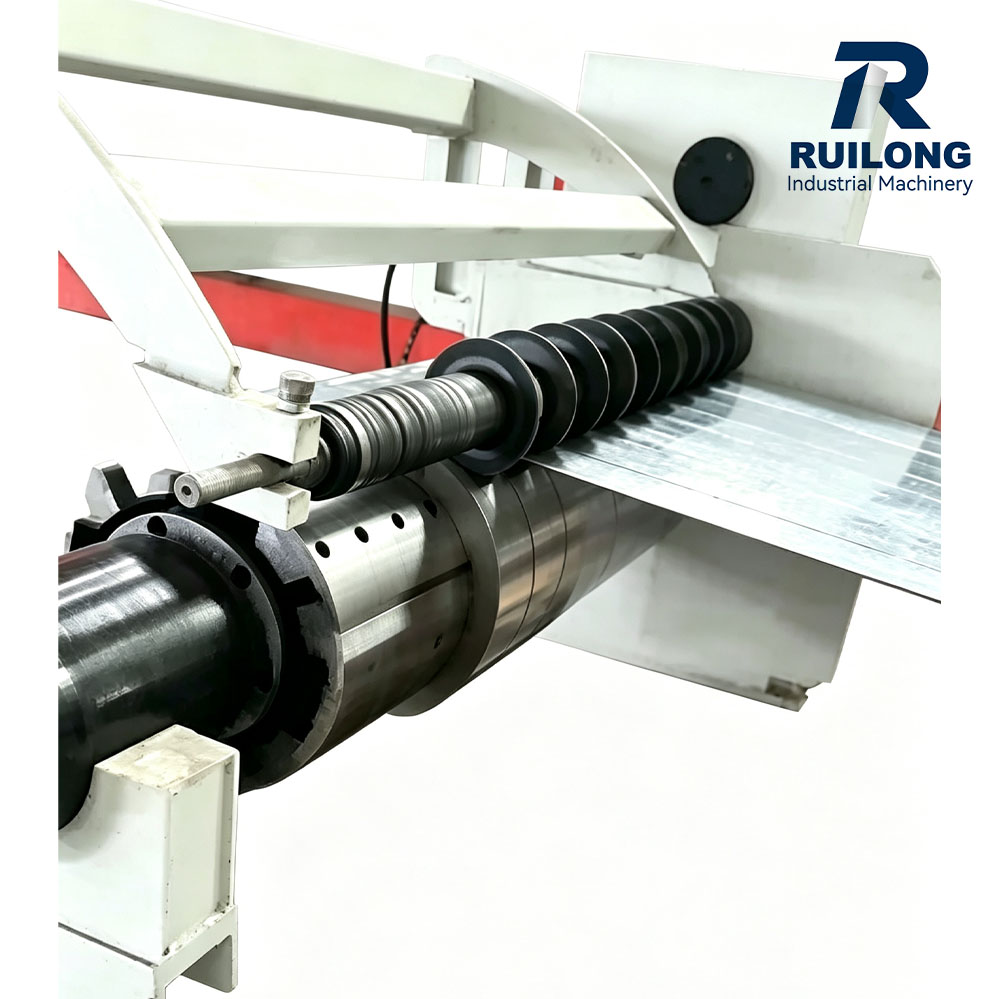
Burr Height Limits: The 5% Rule vs Absolute Values
Short answer: whichever is smaller — take the percentage rule and the absolute limit your downstream process tolerates, then keep the lower. The 5% figure everyone quotes is a commercial convention rather than a standard; EN 10140, EN 10143 and ASTM A568 each set their own scope, and none of them fixes one universal burr value. The practical answer to acceptable burr height for slitting steel strip therefore has two halves — choosing the right allowance, and owning a gauge that can read it. 1....
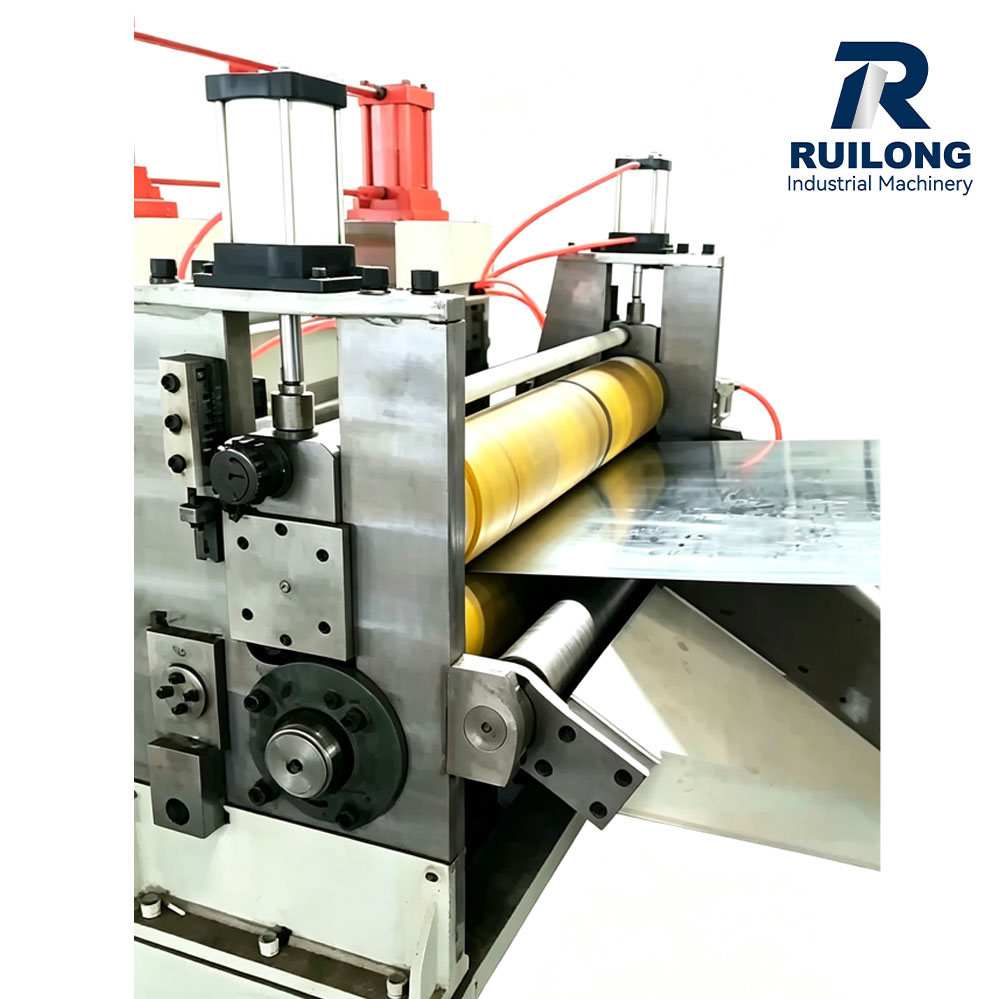
Slit Width Tolerance: What Your Line Can Actually Hold
Short answer: roughly ±0.10–0.20 mm on a general-purpose line, ±0.05 mm with precision tooling, and ±0.02–0.03 mm only with documented matched sets and a controlled setup. What decides which band you live in is almost never the machine frame — it is accumulated spacer tolerance. Anyone asking what slit width tolerance can a slitting line hold should start by counting spacers: a ten-mult cut uses twenty of them, and their errors add rather than cancel. 1. What actually decides the width...
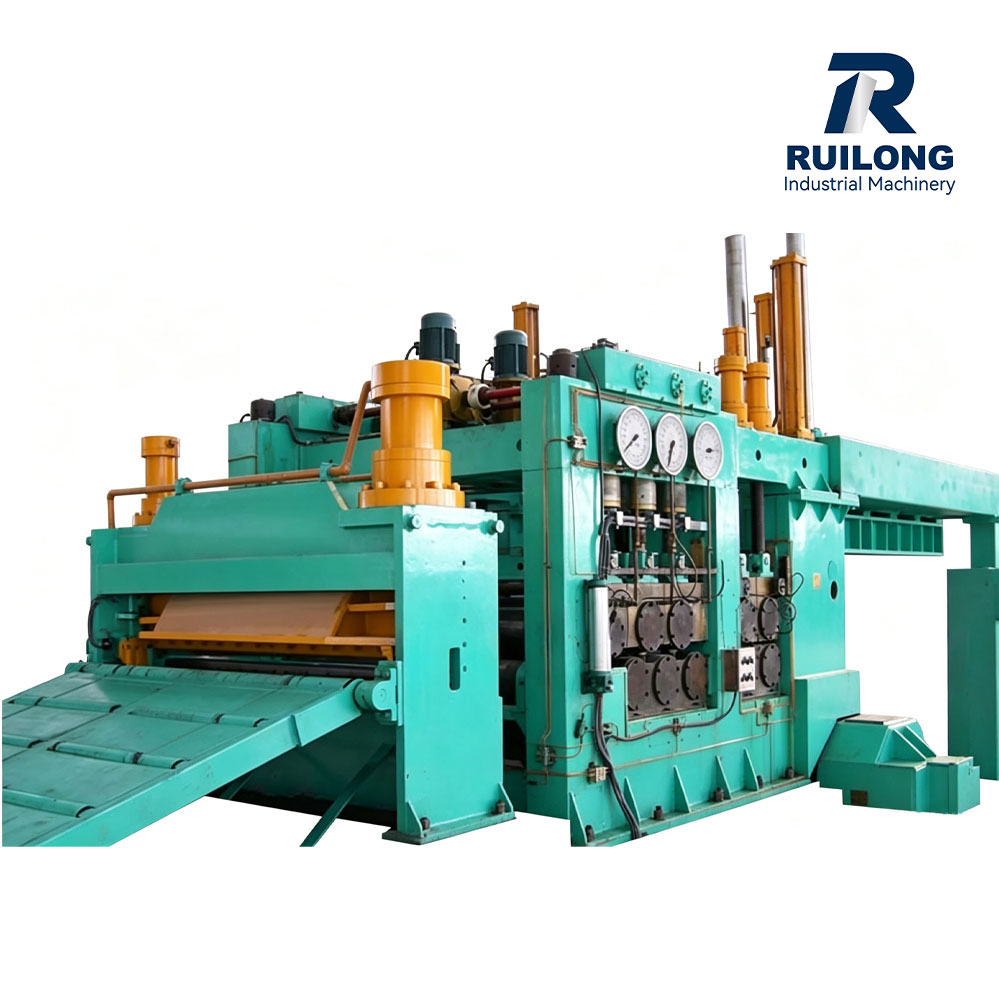
Vertical Overlap: How Deep Should Slitter Knives Actually Bite?
Short answer: on metal coil, hundredths of a millimetre, not tenths. A 1.0 mm cold-rolled strip separates cleanly with roughly 0.03–0.10 mm of engagement, and heavy high-strength plate often wants none at all. If you have been asking how much vertical overlap for slitting knives is normal, the answer depends on which industry wrote the page you found: paper and film converting runs 0.5–1.5 mm, and that figure has no useful meaning on steel. 1. How deep should slitting knives actually bite? As...
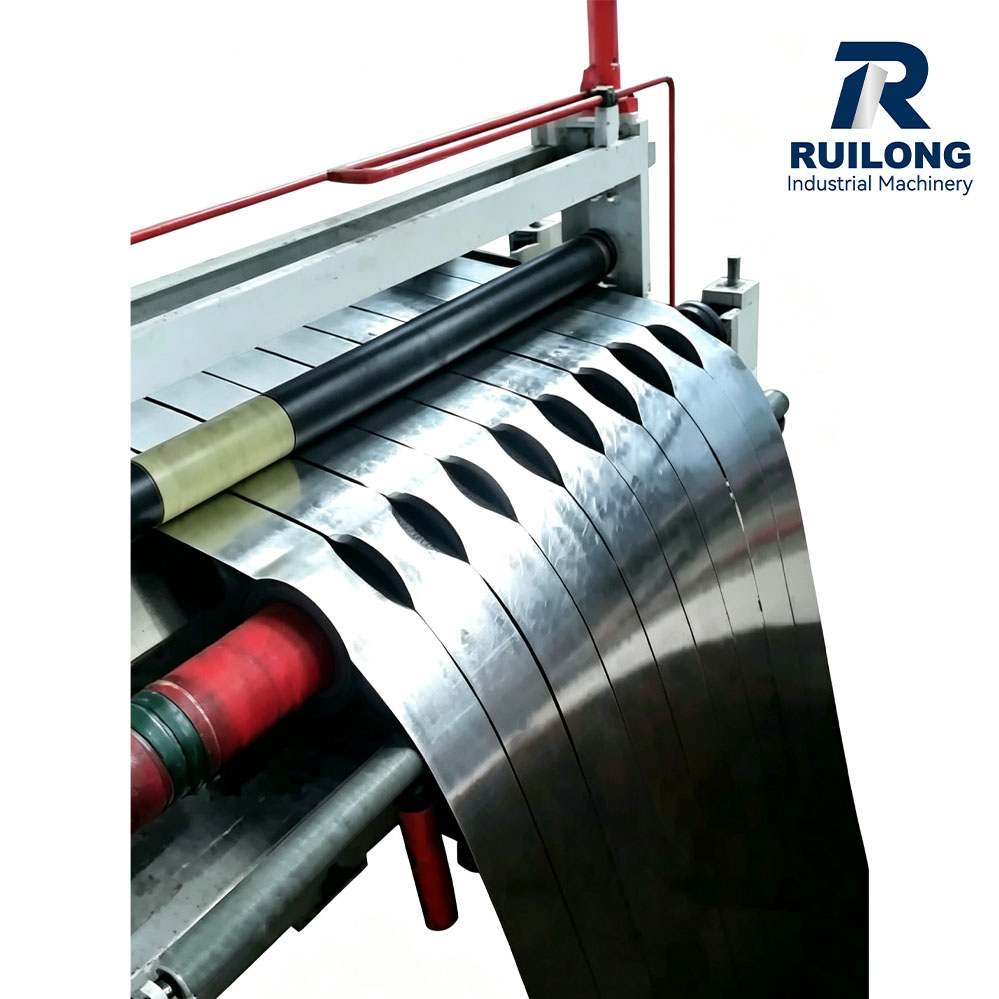
Slitter Knife Clearance by Material and Thickness: The Full Chart
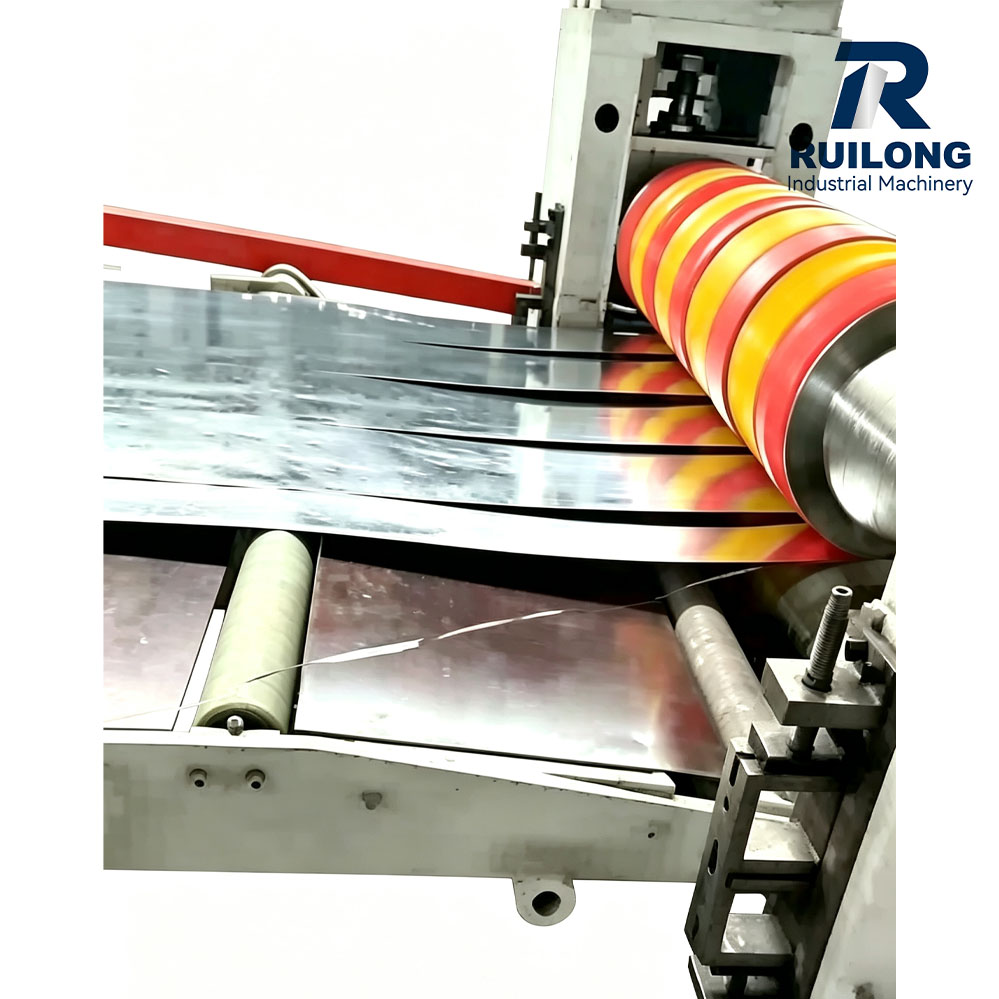
Short answer: read clearance in millimetres per side, keyed to tensile strength rather than to the grade name on the tag. The table below gives starting windows for eleven material families across four gauges, which is what you actually need standing at the arbor with a feeler gauge. Every slitter knife clearance chart by material and thickness also carries conditions nobody prints — knife outside diameter, assembled runout, regrind state and bearing condition all move the number after you set...
Why No Two Slitter Knife Clearance Charts Agree (And Which to Trust)
Short answer: they were built on different assumptions, and almost none of them say which. Published clearance figures for the same material differ up to threefold, and for aluminium the two best-known sources disagree on the direction. Overlap figures differ more than tenfold. If you have ever asked why do slitter knife clearance charts disagree: a percentage of thickness is not a setting, only a guess that becomes one on an arbor. 1. Why do the published clearance charts conflict? Not because...
Can a Cut-to-Length Line Handle 25mm Thick Plate? Real Heavy-Gauge Limits
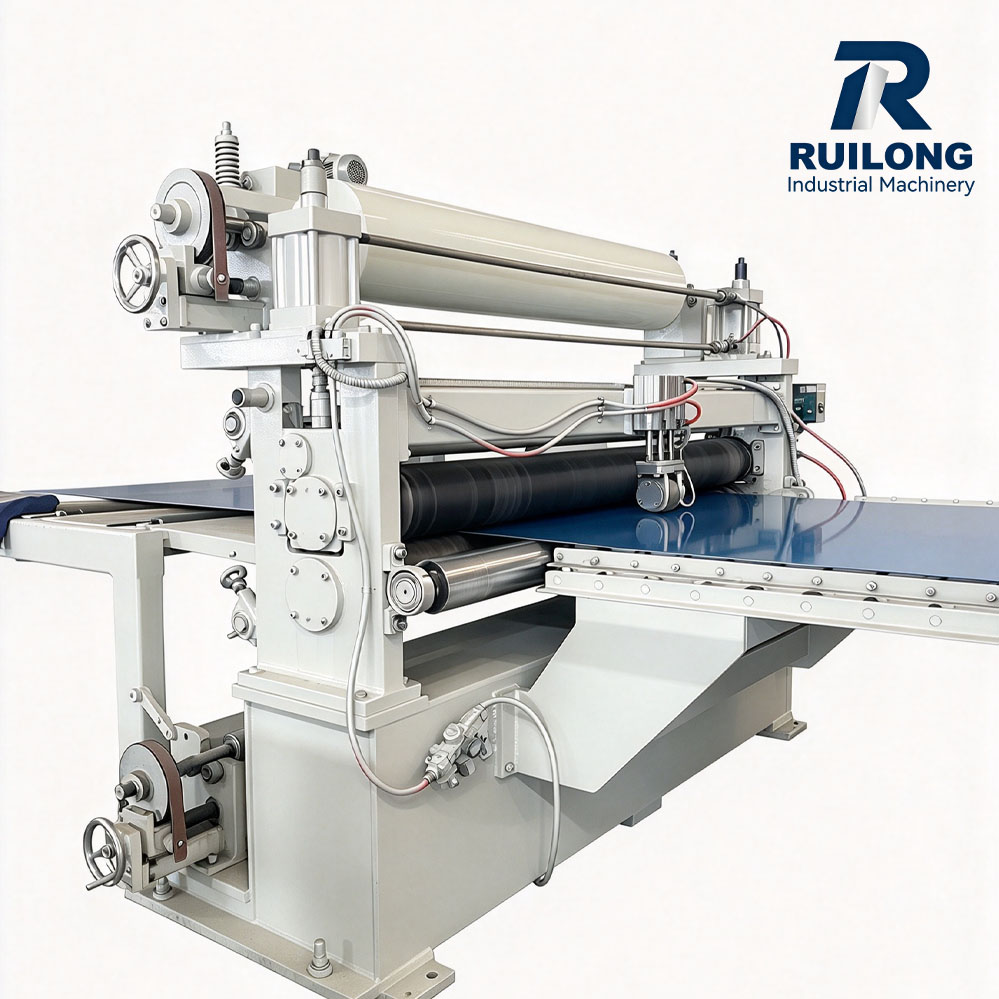
Yes — but only on a line engineered for it from the frame up, and 25mm is also the practical ceiling of hot-rolled coil itself. A machine rated 0.3–3mm cannot be up-rated to 25mm by fitting a bigger motor; the leveler frame, the shear, the uncoiler and the stacker are sized by different physics entirely. This is the straight answer to can a cut to length line handle 25mm thick plate, with the force and coil-geometry numbers that separate a real 8–25mm machine from a relabelled 6mm one. 1. What...
Privacy statement: Your privacy is very important to Us. Our company promises not to disclose your personal information to any external company with out your explicit permission.
Fill in more information so that we can get in touch with you faster
Privacy statement: Your privacy is very important to Us. Our company promises not to disclose your personal information to any external company with out your explicit permission.